
Our Services
Seal Repair &
Precision Face Lapping
Restore worn sealing components through assessment, refurbishment and precision finishing.
Seal Repair Programme
Quality Seal Repairs
Save Up To 60%
Asia-Pacific Technologies provides high quality seal repair and refurbishment services, in collaboration with our foreign principals, for most major brands of mechanical seal used on centrifugal pumps, mixers and other rotary equipment — in power plants, refineries, fertilizer plants, pharmaceutical plants, food industries and chemical industries.
This is done at substantially lower cost than purchasing new or remanufactured seals from the OEM. Repaired seals can also be upgraded in the process — replacing carbon faces with silicon or tungsten carbide for far less than the cost of upgrading to a new seal.
Our principals operate their own machining centres and hold a detailed library of component drawings carrying the original seal specifications, so any component of a mechanical seal can be built to order. We can also design replacement mechanical shaft seals from samples of any major seal brand.
Key Benefits
- ›Rebuilt seals cost less than seals rebuilt or purchased from the original equipment manufacturer
- ›An alternative supply source for your mechanical seal needs
- ›Material selections available that the OEM does not offer
- ›Quicker turnaround than the original equipment manufacturer
- ›Guarantee on all parts, including the functioning of the seal
Every seal we repair is cleaned or sand blasted, inspected to factory tolerance, and fitted with new faces, springs, elastomers, set screws and setting clips as required — then assembled and shipped.
Our Process
From Booking In to Pressure Test
Depending on the seal type and the work required, the repair process encompasses the following operations. The assessment stage exists primarily to determine which components need replacing: every part is cleaned first, then inspected against the manufacturer’s original dimensions, tolerances and finish.
01
Decontamination & Cleaning
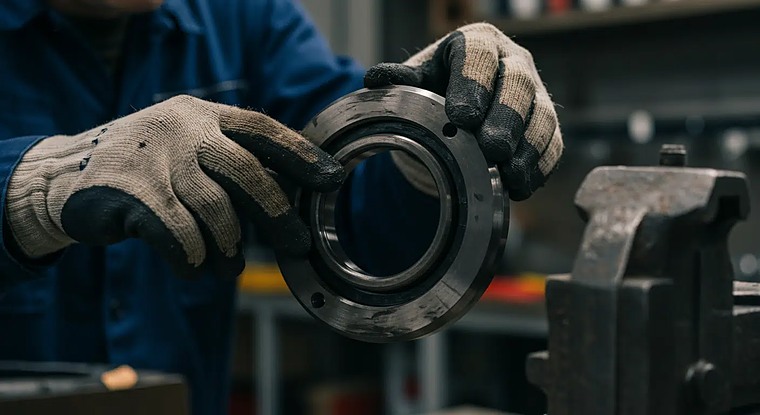
Seals are decontaminated in accordance with international standards for the handling of substances hazardous to health, then carefully disassembled. Components are thoroughly cleaned in preparation for technical assessment.
Seals are booked onto an electronic administration system, which ensures efficient repair, accurate scheduling and localised reporting for each core operation.
02
Technical Assessment
The assessment process determines which components of the mechanical seal require refurbishment or replacement. It also identifies the materials of construction, and requires a thorough understanding of mechanical seal construction, operation and application.
Every component is inspected against the manufacturer’s original dimensions, tolerances and surface finish. Remote clients can complete our Seal Questionnaire Form, which helps us assess how the seal has been operating.
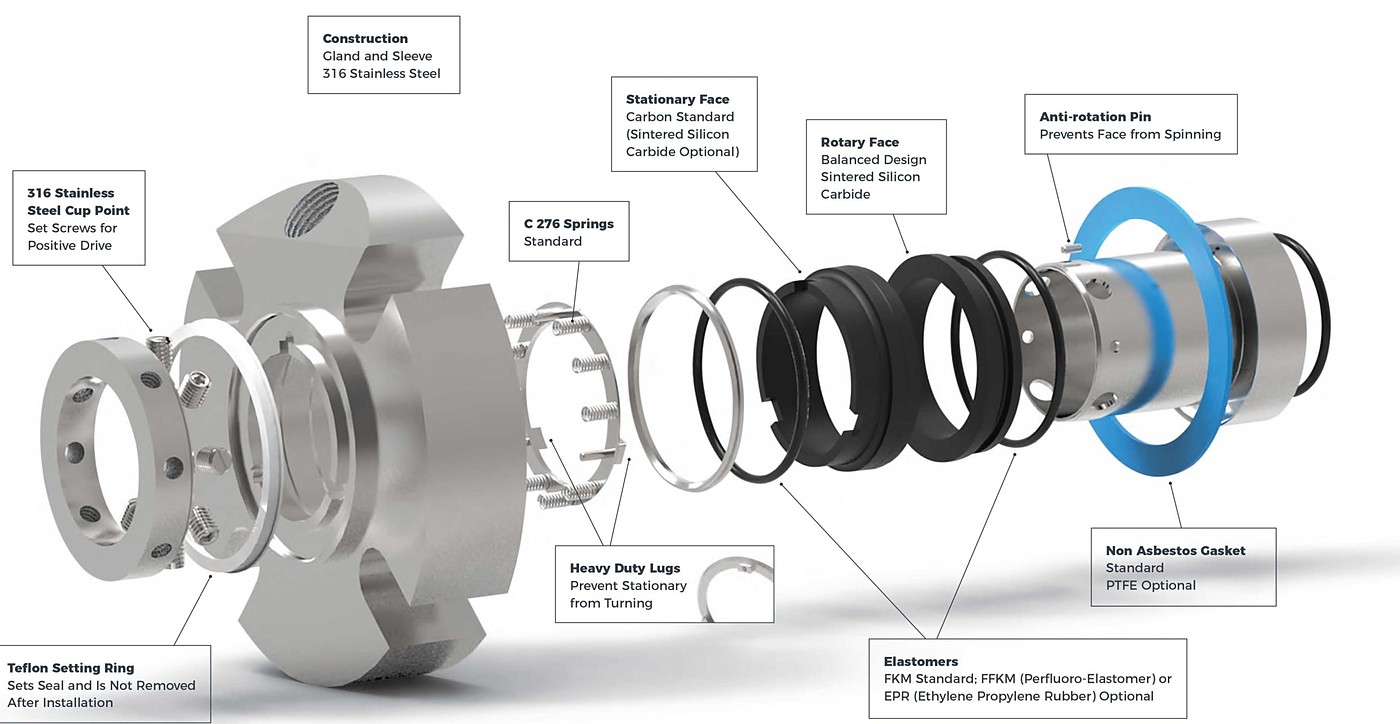
Cartridge seal assembly — components and materials identified at assessment
03
Commercial Evaluation
Where the seal was made by another manufacturer, the repair work identified at technical assessment is evaluated by a commercial technician. Source of supply, cost and lead time are all taken into account in generating the quotation.
04
Measurement
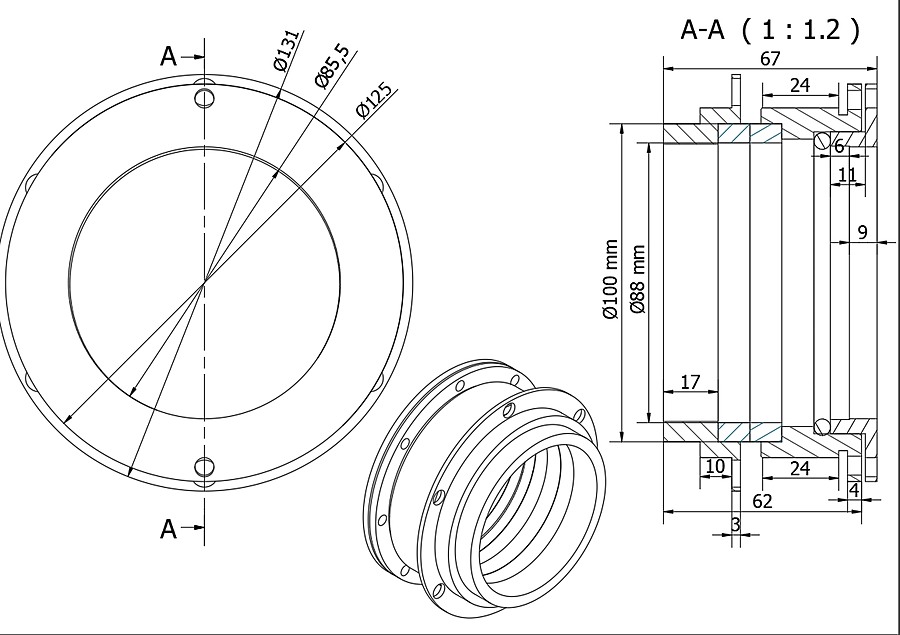
Components requiring replacement are measured in detail on a co-ordinate measuring machine. Known standards are applied to those measurements to compensate for wear and damage, and the resulting data is used by an engineering draughtsman to produce a CAD drawing.
Local clients can bring parts to our head office, where our technical staff are qualified to take the necessary dimensions and convert them to CAD.
05
Restyle & Refurbishment
Replacement components are sourced and refurbished across a range of materials including standard and exotic metals, elastomers, plastics, PTFE and carbon.
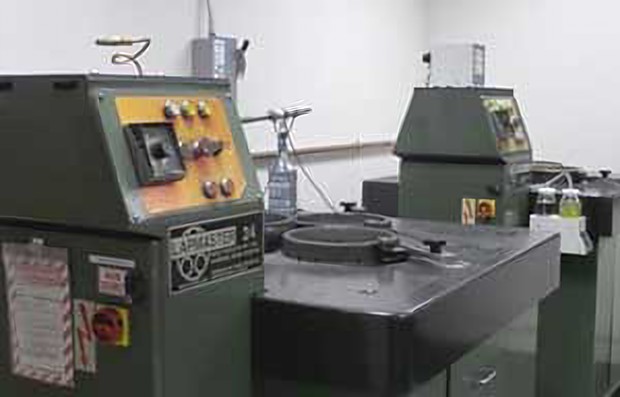
Diamond grinding handles hard face materials such as ceramics and carbides, and diamond lapping equipment laps seal faces up to 34″ in diameter to within two helium light bands. Components we do not hold are brought in through our international supply network, so the rebuilt seal matches the original specification.
06
Assembly & Pressure Testing
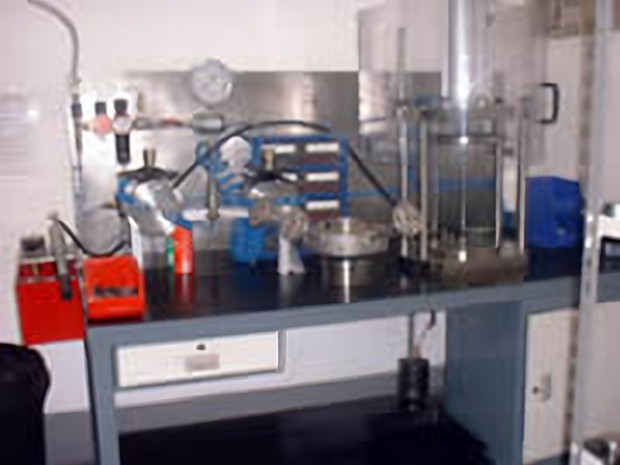
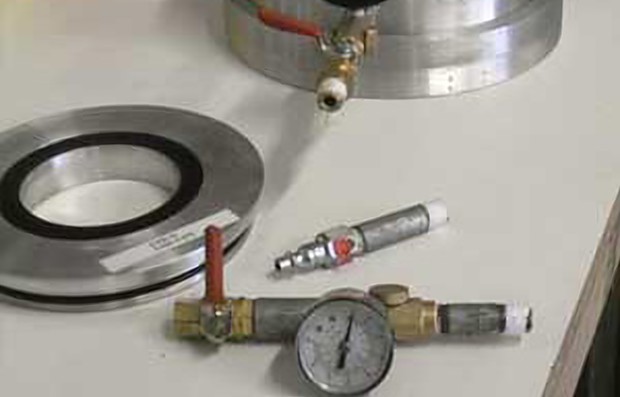
The repaired seal is assembled to documented procedures. Once assembled, it is pressure tested in line with the recognised API 682 standard for air pressure testing.
We collect your old retainers and spring holders, and return a complete seal that is as good as new.
Component by Component
Individual Seal Parts — Replacement & Repair
After a service life of two to four years the wearing parts of a mechanical seal can no longer be used — even re-lapping becomes impossible — and they have to be replaced. In many cases the complete seal gets replaced with it.
There is no need for that. Experience shows the metal parts — retainer, spring holder, springs and lock rings — hardly wear at all and can be reused many times. We specialise in reconditioning seals and supplying the parts that genuinely need replacing.
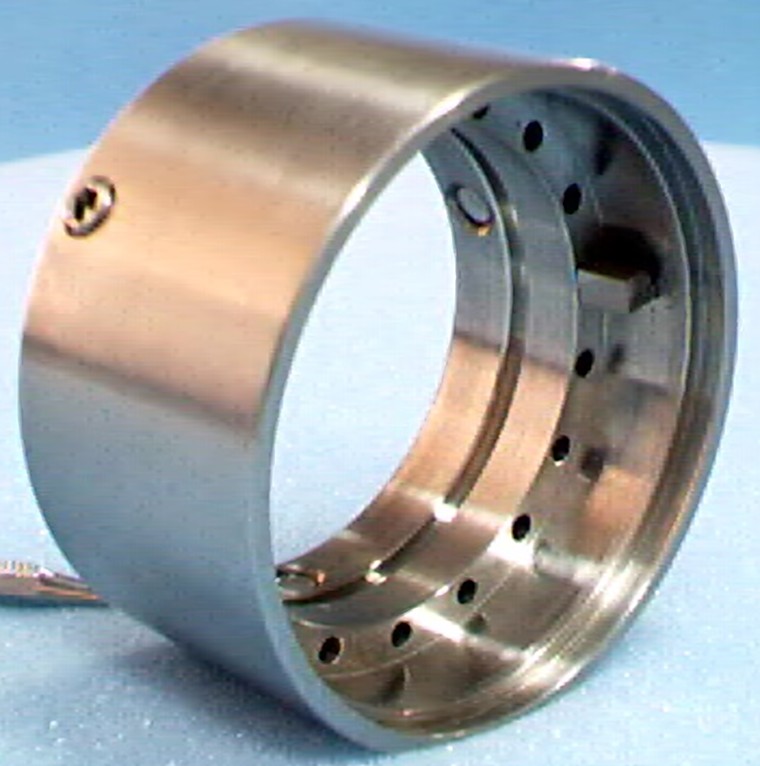
Retainer
Can be reusedCompletely reconditioned with new screws and checked for cracks, fully guaranteed. Where a retainer is damaged beyond recovery, a new one can be provided.
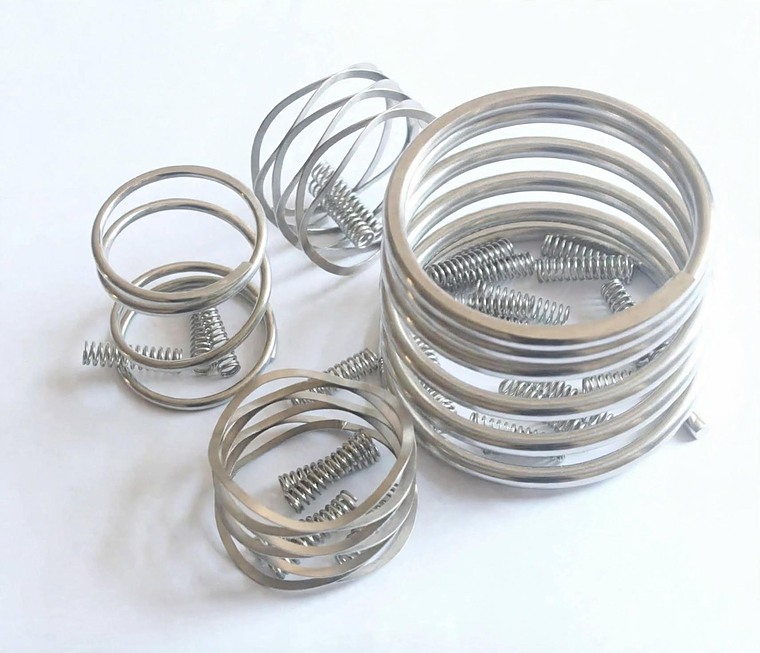
Springs & Thrust Ring
Can be reusedSprings and thrust rings can be reused where they are found in good condition, and are otherwise replaced with new.
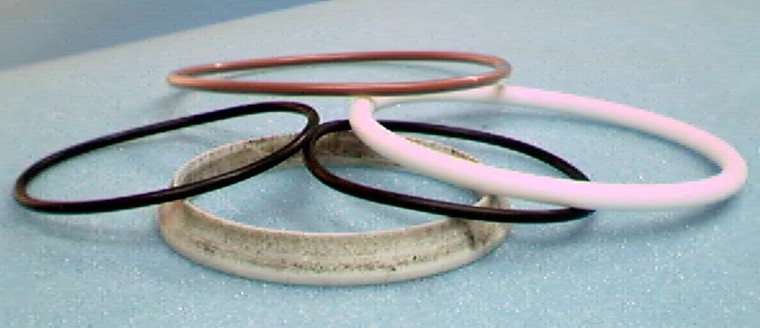
O-Rings, Back-up Rings & Wedge
Replaced with newThese parts are always recommended for replacement with new.
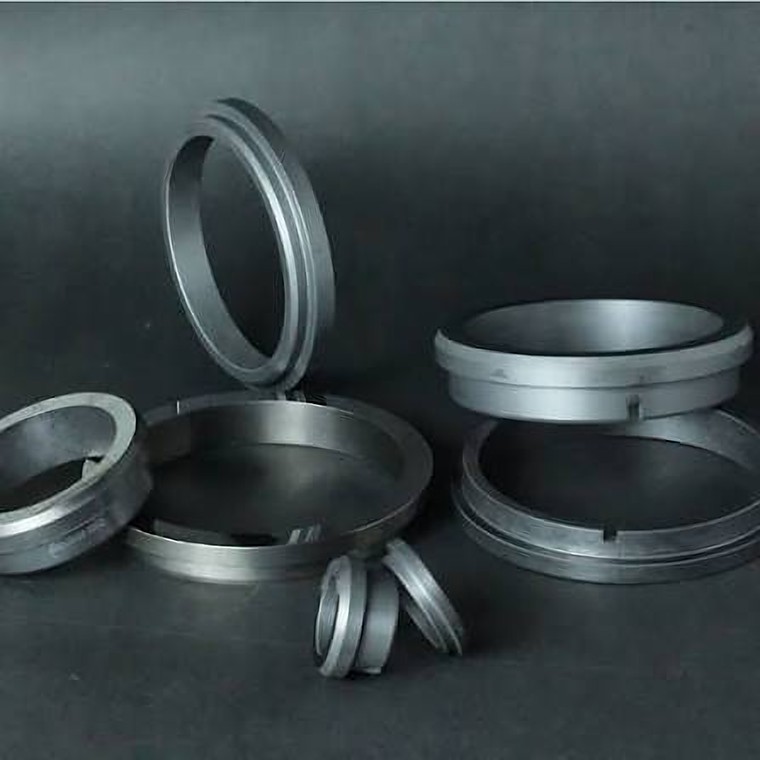
Rotary & Stationary Faces
Replaced with newThese parts are recommended for replacement with new. Repaired seals can also be upgraded here — carbon faces changed for silicon or tungsten carbide.
Gland Plates & Sleeves
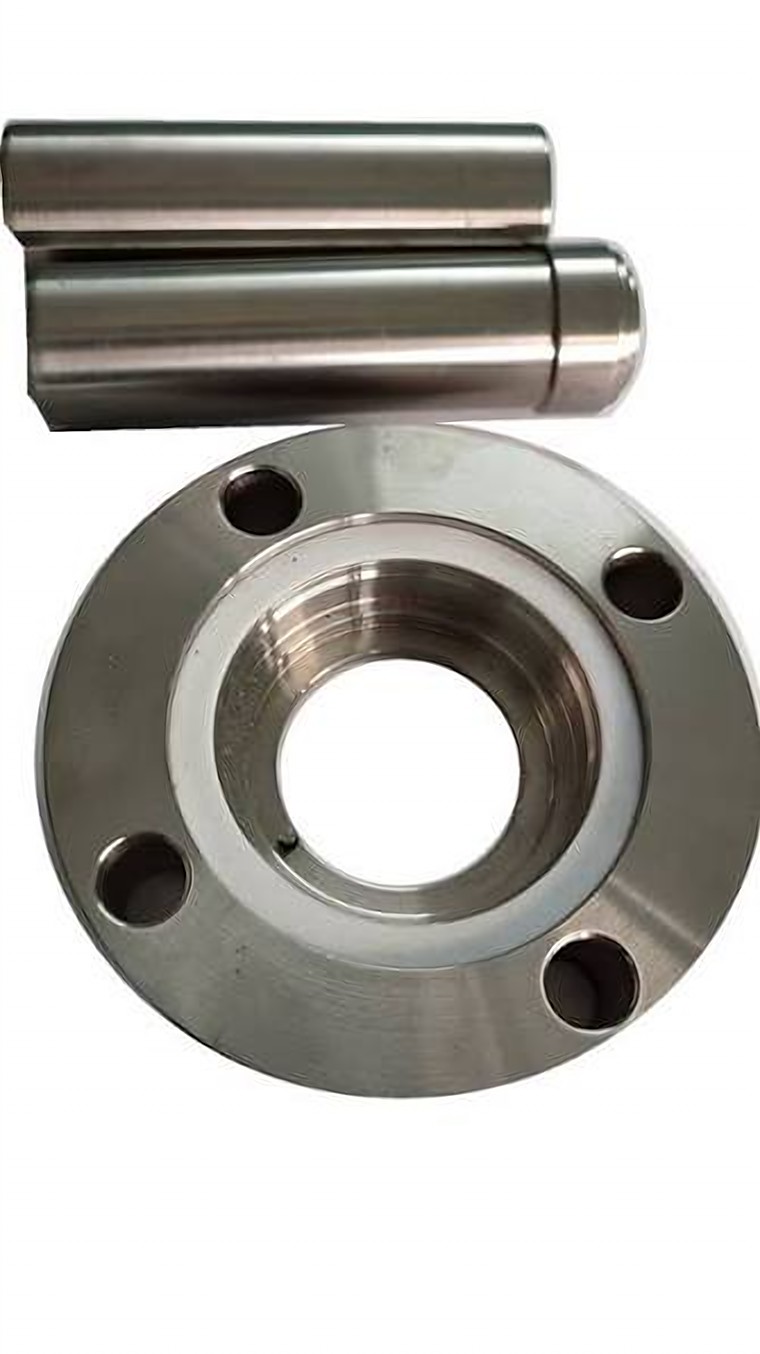
Can be reusedThese parts can be reused in most cases. Scored sleeves are recommended for replacement.
Materials
Materials Used
We offer a wide range of standard materials as well as special materials for even the most corrosive and abrasive services, and will assist in selecting the most appropriate material for a particular application.
Typical examples include carbon-graphite, pure carbon, silicon carbides, tungsten carbides, ceramics, elastomer O-rings (Viton, EPDM, Kalrez, NBR), PTFE parts, special alloys and stainless steel grades.
Our principals operate uniform procurement procedures for the raw materials, goods and services that go into their products, so that everything conforms to specified requirements. Raw materials are procured from world-renowned manufacturers.
Material
Seal faces; Carbon, Carbon-Graphite, Silicon Carbide, Alumina-Oxide Ceramic
Sintered Silicon Carbide
Elastomers & Plastics — PTFE, O-Rings, Bellows
Hastelloy “C” Springs, Metal Bellows & Other Parts
Metal Components; Stainless Steel Alloys — SS 316L, SS 304, SS 321
Table of materials — designation according to DIN 24960 Reference
Rotary & Stationary Faces
Secondary Seal — Flexible Member
Springs & Other Metal Components
Send Us Your Worn Seals
Almost every seal can be repaired. As long as the retainer is not completely damaged it can be checked and reconditioned, and every other part replaced — saving around 60% of the cost of a new seal.
In-House Capability
Precision
Face Lapping
Face lapping is the process of rubbing a mechanical seal ring against a flat lapping plate charged with abrasive grit, removing material a few microns at a time until the sealing face is returned to a mirror finish and a true, measurable flatness.
It matters because a mechanical seal holds pressure across a gap thinner than a light wave. The two faces — one turning with the shaft, one held still in the gland — only seal if both are flat to within a fraction of a micron. Ordinary running wear, thermal distortion, chemical attack and dry-running heat all destroy that flatness long before the ring itself is worn out.
Rather than scrap the component, we re-lap it. A worn silicon carbide, tungsten carbide, carbon or ceramic face can usually be recovered several times over its life, at a fraction of the cost of a new seal — and returned to service with a face finish equal to a new part.
Typical Achievable Results
- Flatness
- 1–3 helium light bands
≈ 0.3–0.9 µm - Surface Finish
- Ra 0.1–0.3 µm
- Abrasive
- Diamond, 6 → 3 → 1 µm
- Materials
- SiC, TC, Carbon,
Ceramic, Ni-Resist, Stellite - Verification
- Optical flat under
monochromatic light
The Equipment
Dual Face & Double-Sided
Precision Lapping and Polishing Systems
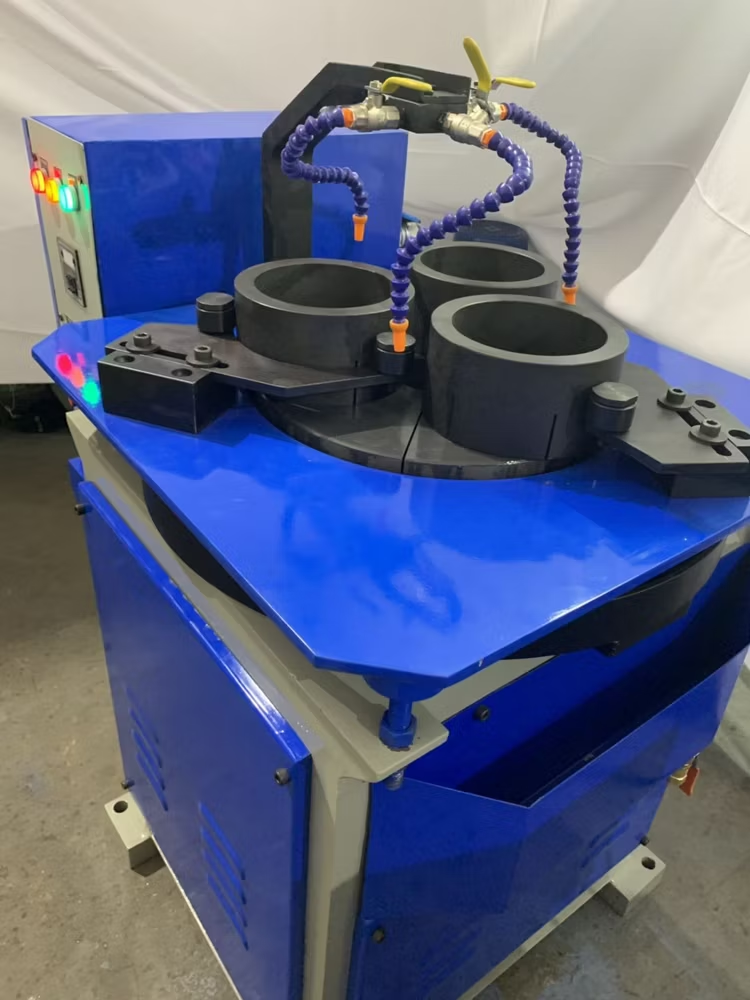
Our dual face processing equipment delivers exceptional performance for the simultaneous machining, lapping and polishing of both surfaces on high-precision components. Engineered to handle an extensive variety of materials, these systems maintain remarkable accuracy and repeatability while achieving extremely stringent dimensional tolerances.
Their gentle yet effective processing capability makes them ideal for handling sensitive and brittle materials, minimising component stress and delivering outstanding surface finishes.
Both faces machined at once, holding parallelism across the part
Repeatable to extremely tight dimensional tolerances
Low-stress processing suits brittle and sensitive materials
Wide material range, from carbon and ceramics to hard carbides
The Process
From Worn Face to Mirror Finish
01
Inspection & Preparation
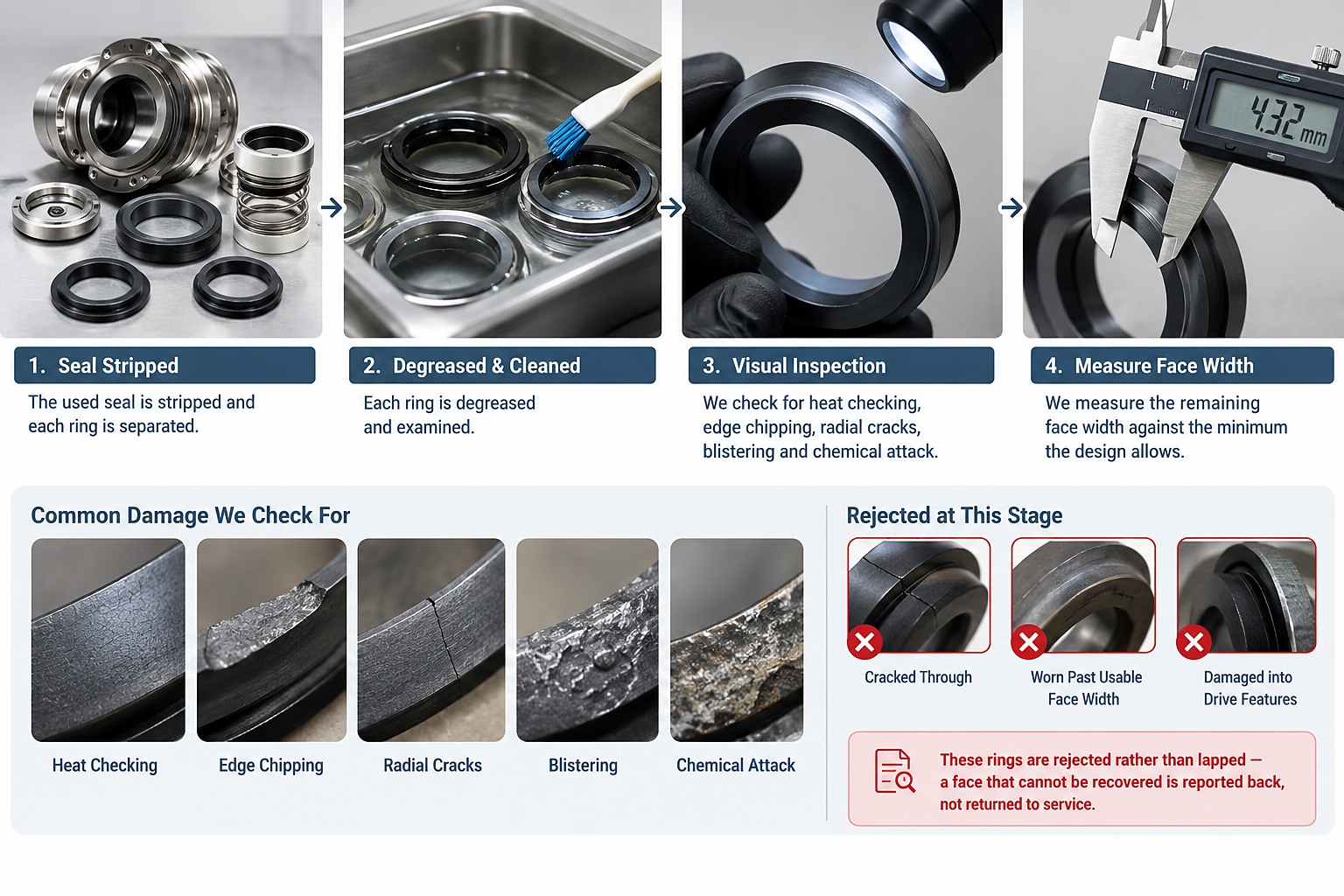
The used seal is stripped and each ring is degreased and examined. We check for heat checking, edge chipping, radial cracks, blistering and chemical attack, and measure the remaining face width against the minimum the design allows.
Rings that are cracked through, worn past their usable face width or damaged into the drive features are rejected at this point rather than lapped — a face that cannot be recovered is reported back, not returned to service.
02
Lapping
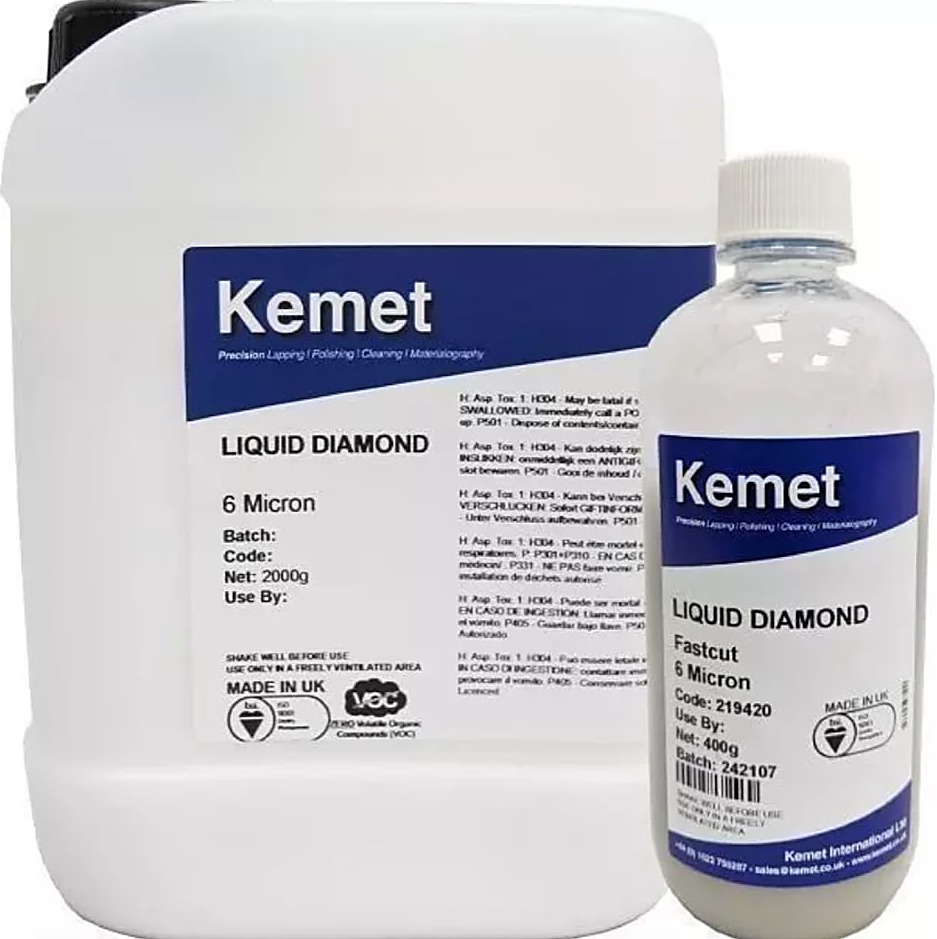
The rings are loaded face-down into conditioning rings on a rotating cast-iron or ceramic lapping plate. Diamond compound is applied to the plate, and the machine turns: the plate rotates under the work while each conditioning ring turns on its own centre, so no point on the face follows the same track twice.
That random cutting path is the whole point — it removes material evenly across the face instead of cutting a directional pattern into it. Work moves down through progressively finer diamond grades, from a 6 micron fast-cut to a 3 micron and finally a 1 micron finishing stage, with the plate cleaned and re-charged between grades.
03
Flatness Verification
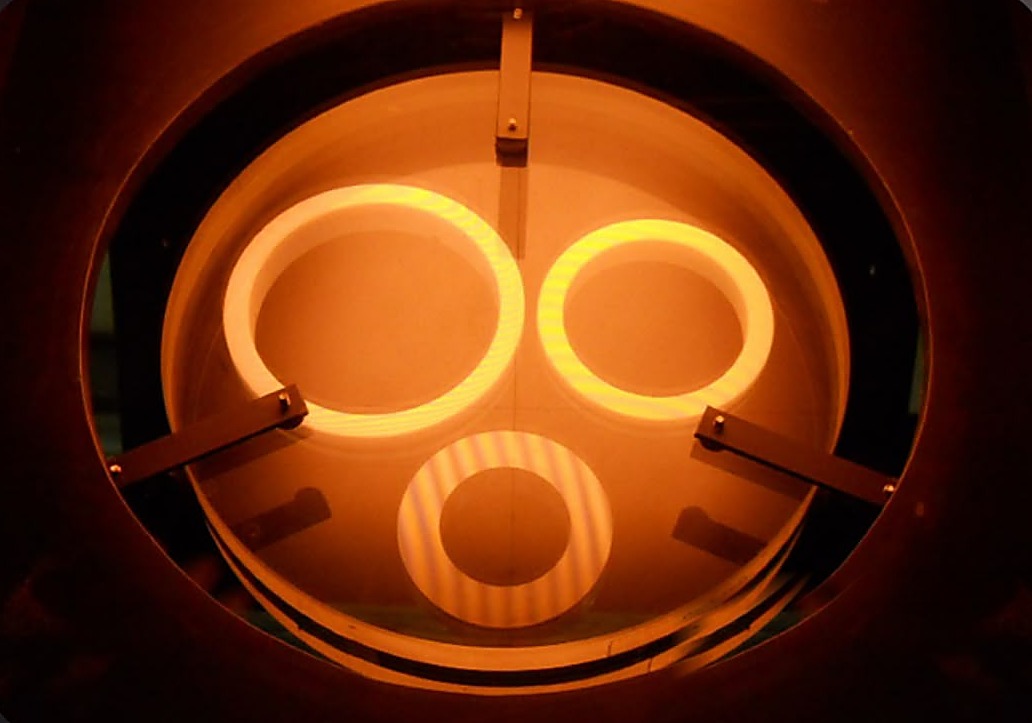
Every lapped face is measured optically before it leaves. Nothing is signed off on appearance alone.
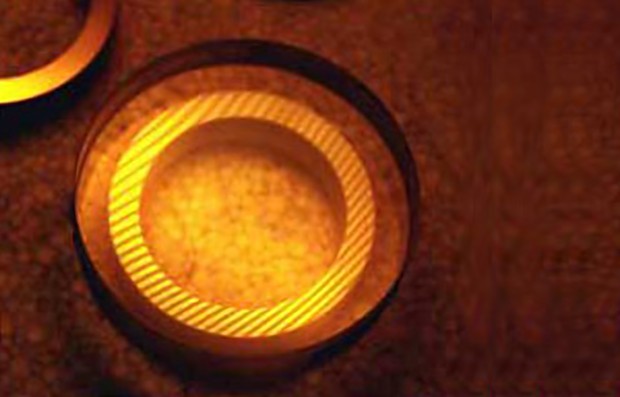
- › Monochromatic light. The distinctive orange glow comes from a monochromatic light box, usually a sodium or helium lamp. It emits light at one single, known wavelength — which is what makes the measurement possible.
- › The optical flat. A perfectly clear, ultra-flat disc of quartz or glass — the optical flat — is placed directly on top of the freshly lapped seal face.
- › Interference fringes. Light passing through the glass reflects off both the underside of the optical flat and the top surface of the lapped part. Those two reflected waves interfere with each other, producing the dark and light stripes visible across the rings. These are the interference fringes, or light bands.
- › Reading the result. Each band represents half a wavelength of height — about 0.3 µm, or 11.6 millionths of an inch. Straight, evenly spaced bands mean a flat face; curved or bunched bands show exactly where it is still high or low. We count the bands to grade the face, and send it back to the plate if it does not pass.
04
Finished & Ready for Service
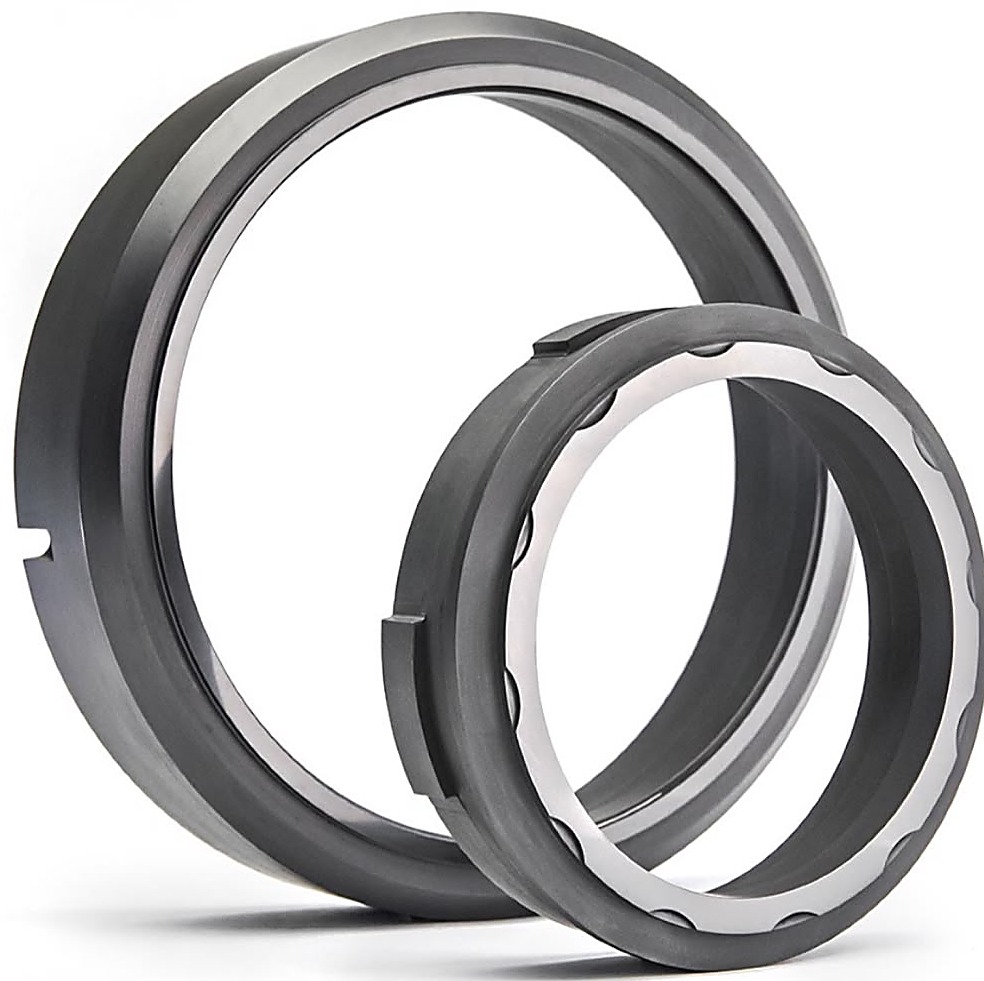
The faces come off the plate polished and reflective, flat within tolerance and measurably as good as new. Rings are cleaned down, given a final visual check under magnification and protected for transit.
They go back into the same seal with fresh elastomers and springs, or into stock as a refurbished spare — ready to be fitted exactly as required, with no compromise in service life against a new component.
Have Worn Seal Faces?
Send us the used parts and we will assess whether they can be recovered. Most silicon carbide, tungsten carbide, carbon and ceramic faces can be re-lapped several times.